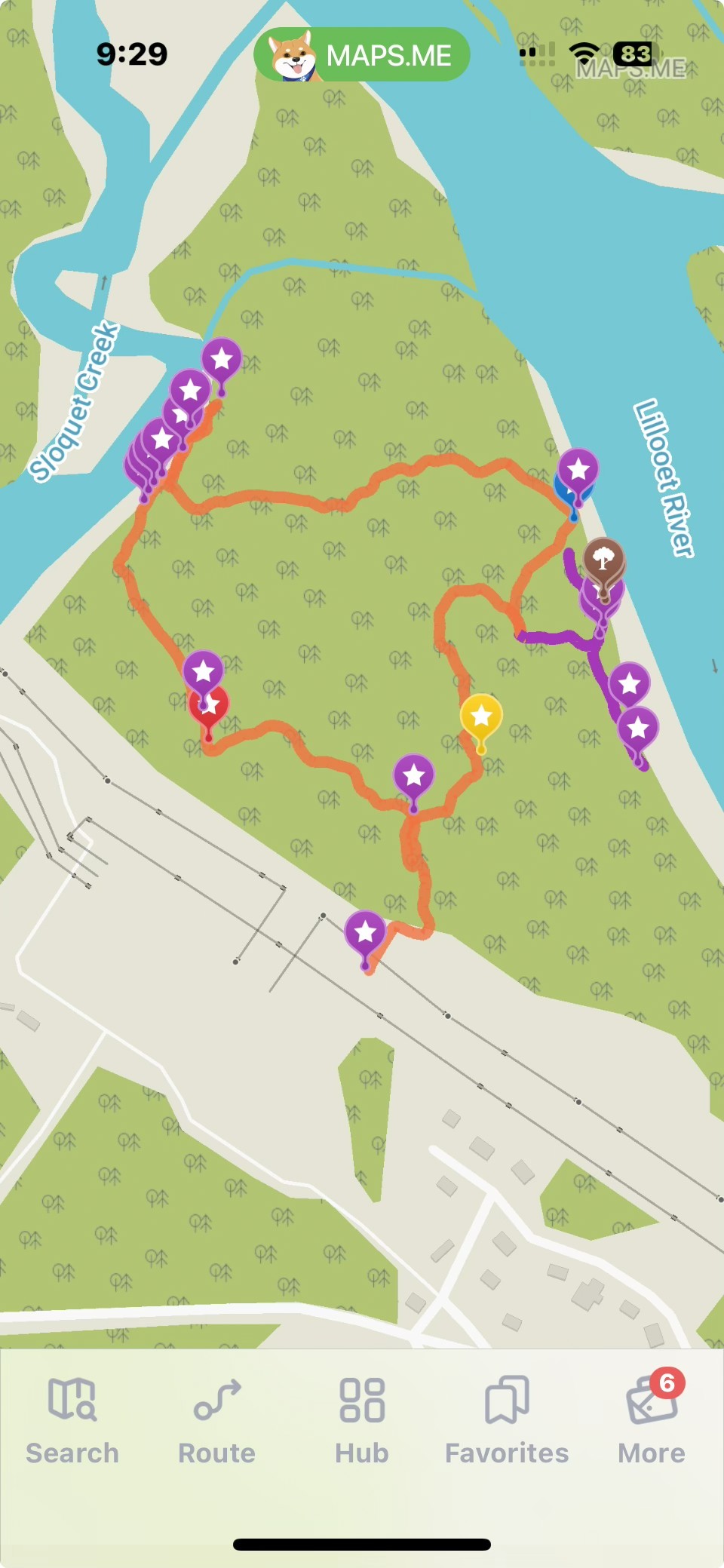
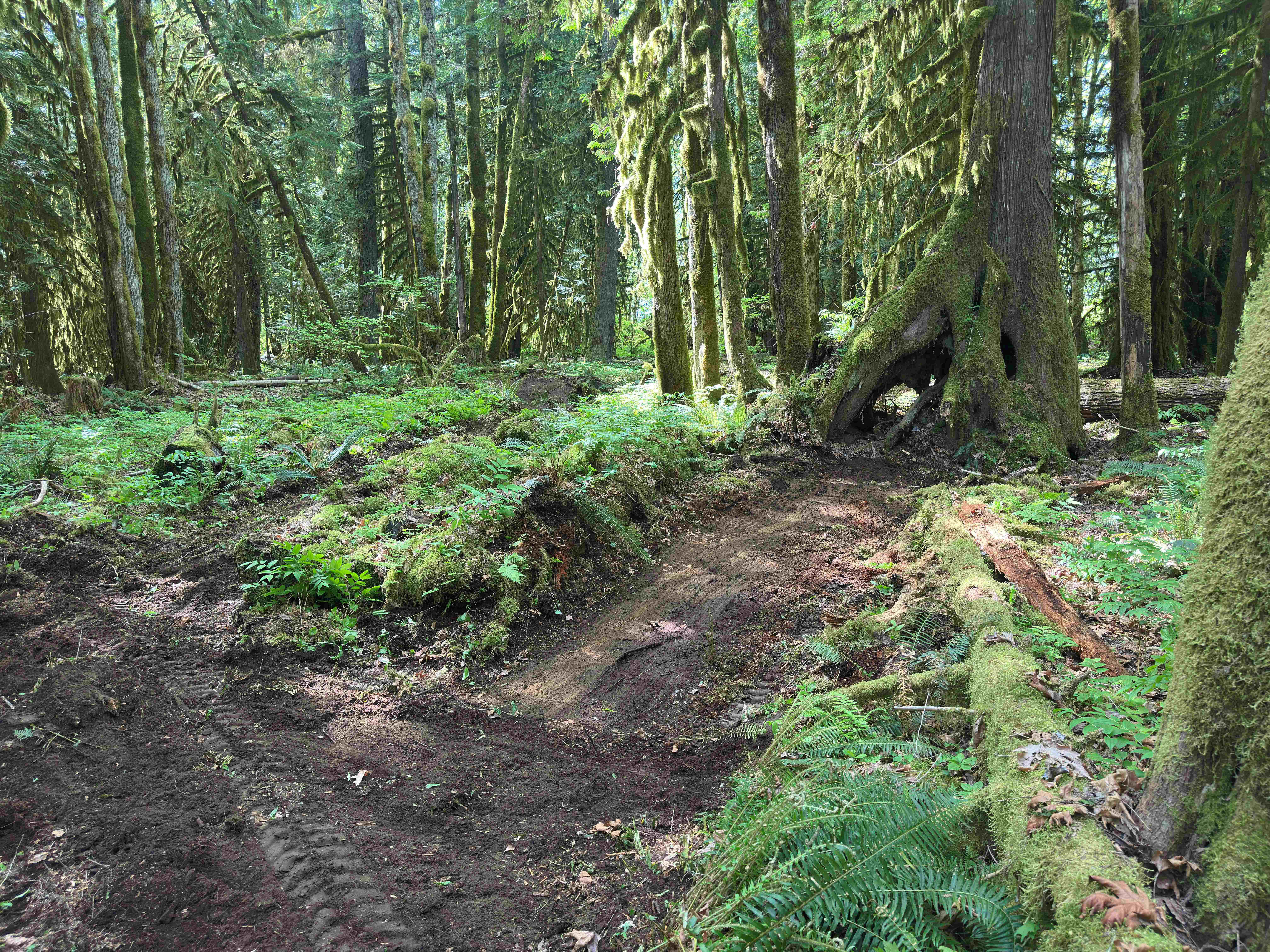
The Sacred Paths Bike and Walking Trail project has now been completed and provides a safe, accessible space for community members to walk, bike, and engage in outdoor recreation within Xa’xtsa territory. The trail was developed to improve active transportation opportunities while reducing the need for pedestrians and cyclists to travel along roadways shared with vehicles.
The completed trail has created a safer environment for children, youth, families, and Elders to remain active and connected to the land. The project supports community wellness by encouraging healthy lifestyles, outdoor activity, and safe recreation opportunities year-round. Community members are already making regular use of the trail for walking, biking, and gathering.
This project also strengthened local capacity through project planning, coordination, and implementation. Lessons learned from the development of the trail will help inform future active transportation and recreation initiatives within the community. Xa’xtsa plans to continue maintaining the trail to ensure it remains a long-term community asset that supports safety, wellness, and connection for future generations.
The Douglas First Nation proposed to design and construct a network of safe and accessible mountain biking and walking trails within our community. The community members—especially children and youth— faced significant safety risks when cycling or walking, as they must often ride or walk on active logging roads that surround the community. These roads are heavily used by industrial trucks and other large vehicles, creating unsafe conditions with high speeds, poor visibility, and no space for cyclists/ pedestrians. This reality discourages physical activity and increases the risk of injury for vulnerable road users. Our project directly responds to these safety challenges by creating dedicated cycling/ pedestrian infrastructure that separates cyclists/ pedestrians from vehicle traffic.
The goal of this project is to reduce cyclist/pedestrian exposure to dangerous vehicle routes while encouraging safe, healthy, and culturally meaningful outdoor activity. Specific activities included: trail planning, mapping and design; engagement with Elders, youth and families to ensure the trails meet community needs; construction of safe, well-marked mountain biking/walking trails; installation of signage, barriers and safety markers; and evaluation of impact through counts, surveys, and Indigenous evaluation methods.
By creating a safe alternative to cycling on logging roads, the project will improve road safety, promote physical and mental wellness, and strengthen connections to land and culture. This initiative is fully aligned with Vision Zero principles of safe roads, safe users, and safe environments, and represents a proactive, Indigenous-led approach to preventing injuries and improving equity in rural road safe.